
Is there a hard level cap in Shadow Dungeon?
Character level goes to 100, then Paragon levels and the Paragon talent tree continue progression.

Shadow Dungeon leveling guide: seven chapters to ~100, Paragon talent tree, map-power farming rules, and Greater Rifts after the main story ends.
Scale of chapters, bosses, and new levels.
~7 min read
Shadow Dungeon leveling is a story-first climb through 7 chapters and 160+ maps, then Paragon after level 100. Official balancing aims for roughly level 99–100 when the campaign ends; community estimates often put story playtime around 30–50 hours. Monster and loot power track the stage you enter, not the number on your character sheet — that single rule decides whether XP feels smooth or stuck. This page is the Steam ARPG progression guide for Shadow Dungeon by OO Cat. Verified August 27, 2026 · Steam.
| Fact | Detail |
|---|---|
| Platform | Steam (PC · Windows) |
| Chapters | 7 |
| Maps | 160+ |
| Story hours | ~30–50 (community estimate) |
| Campaign level target | ~99–100 at story end (official aim) |
| Paragon | Levels + talent tree after character level 100 |
| Endgame | Greater Rifts · Mystic Dungeons |
| Related | Beginner · Greater Rifts · Talents |
| Verified | August 27, 2026 |
Do not invent official chapter titles — public materials list the seven-chapter structure without a clean marketing name per chapter. Track progress as Chapter 1–7 in your own notes.
| Phase (unofficial pacing) | Focus |
|---|---|
| Early story | Lock class fantasy · finish one talent spine · learn map-power |
| Mid story | On-tier Legendaries · resist hybrid greed · stash keepers |
| Late story | Prepare for story end ~99–100 · tidy kit for rifts |
| Post-story | Paragon + Greater Rifts / Mystic Dungeons |
Official post-balance messaging aims for players to finish the main story near level 99–100. If you blast through chapters underleveled, expect gear walls; if you overfarm early maps, expect boredom before the Demon Lord pressure arrives.
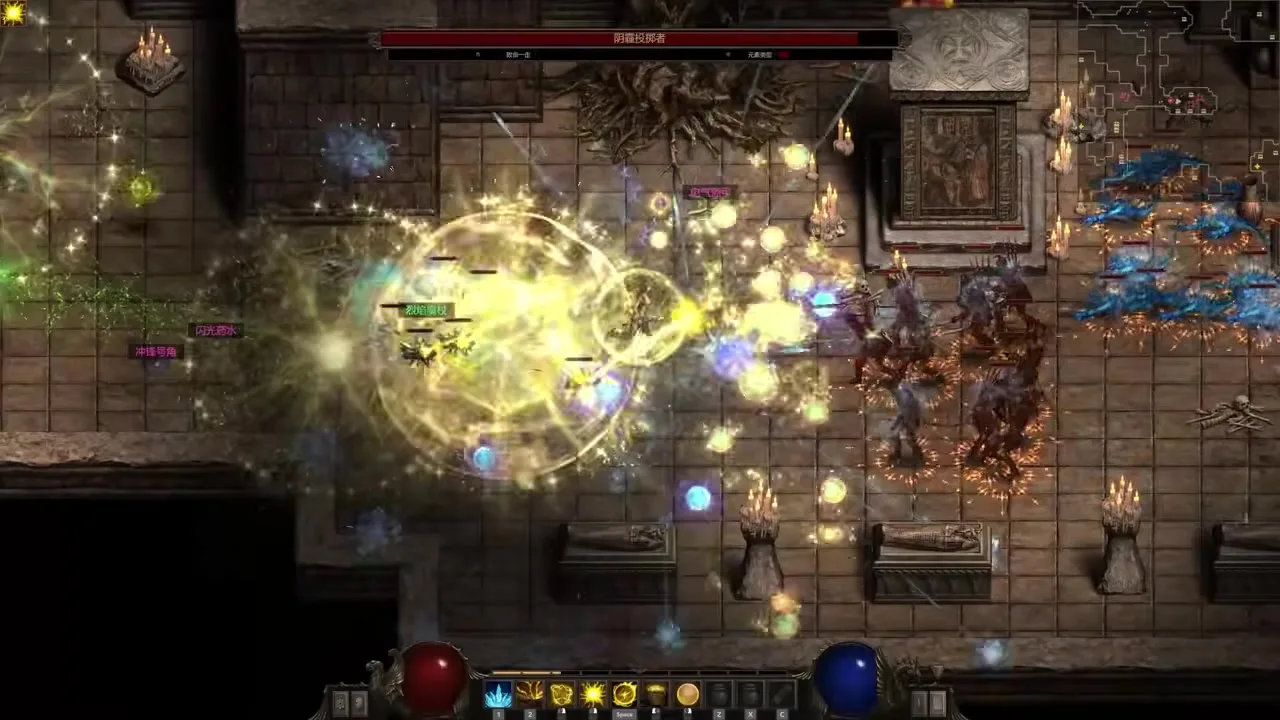
Story spaces move through dungeons, ancient temples, deserts, haunted ruins, beyond-reality stretches, hell, and Demon Lord territory. The theme changes; the rule does not: pick stages your kit can clear, then move on.
There are 60+ unique bosses with their own patterns. Treat them as progression checks. Pattern notes deepen on bosses; this page only cares that a wipe usually means gear or talent gaps, not “need five more character levels on a soft map.”
Official copy is explicit: monster levels and item drops are tied to the map instead of the player’s level. Your badge does not upgrade a soft stage’s loot table, and a high level does not make an over-tier map fair.
| Symptom | Likely cause | Fix |
|---|---|---|
| XP feels frozen | Farming below map power | Push the next on-tier chapter map |
| Constant wipes | Map above gear power | Drop tier · fix defensive talents/gear |
| Loot all trash | Stage too soft for goals | Raise stage until Legendaries matter |
| Level high, damage soft | Badge ≠ kit | Rebuild spine — see builds |
Grinding a map you already outgear feels safe and pays weak XP and weak drops. You get a bigger number on the sheet and the same soft loot economy. Push the next honest stage instead.
Jumping chapters because “my level is high enough” is how wipe rates explode. Map power includes monster threat and loot quality — bring on-tier Legendary/Mythic weight, not ego.
If you need better affixes or set pieces, farm the highest stage you can clear cleanly. That is the same rule that drives equipment and armor sets later.
Good Shadow Dungeon progression is rhythmic: clear → evaluate deaths → upgrade the hole → clear again. Skipping the evaluate step is how people “need a leveling guide” when they need a gear filter.
Unlimited skill points are a late-game feature. During story leveling, finish one talent tree spine before hybrid experiments. Spend order and Paragon context deepen on talents; starter kits live on builds.
Keep Legendary/Mythic pieces that feed the spine or close a defensive hole. Skill-grant gear is common — if a grant never appears in your rotation, salvage it. Deep rarity and reforge notes belong on equipment.
A Steam demo covers early chapters for class and loop sampling. The full 1.0 release is the seven-chapter climb with Greater Rifts after the story. Do not plan a whole Paragon board around demo-only hours.
If you are still mid-campaign and reading Paragon theorycraft, close the tab and push the next on-tier chapter. Paragon advice without a finished story kit is entertainment, not progression.
| Priority | Paragon intent |
|---|---|
| 1 | Stats that protect clear speed of your home fantasy |
| 2 | Survivability that keeps rift attempts alive |
| 3 | Experimental nodes only after Inferno farm feels stable |
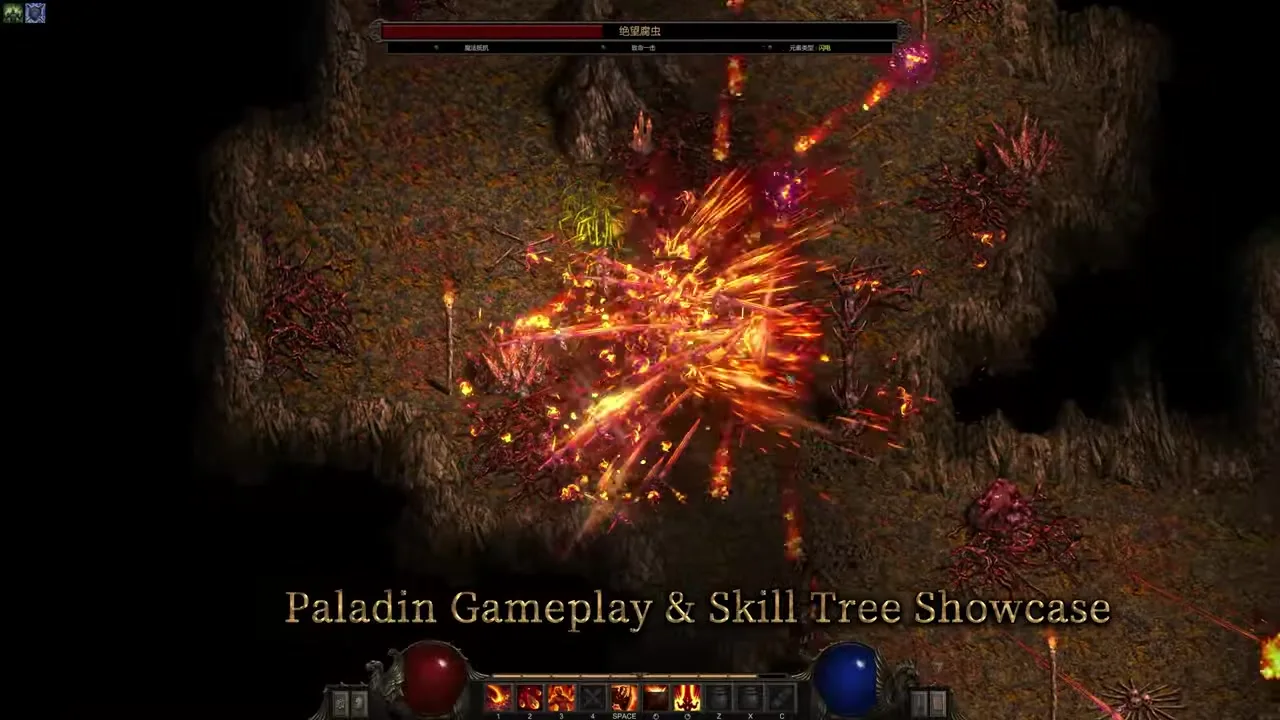
Paragon should amplify the kit you already trust — the same rule as endgame hybrids. Do not use Paragon to paper over a broken talent spine or a half-finished set. Fix the kit, then multiply it.
Patch 1.0.1 improved talent-clear UX; rebuilding boards is normal play. Still, wipe your Paragon experiments only when a Greater Rift band or set bonus permanently changes what “home fantasy” means.
Late-game unlimited skill points let class trees hybridize. Paragon is a separate growth lane after 100. Open hybrids when rifts expose a hole; spend Paragon to keep that solution alive — details on talents.
Matched by build plan, shared topics, and guide progression — not random related links.
Story clear is the door, not the ceiling. Endgame ladders exist so your level-100 character keeps finding reasons to open the next map.
| Unlock | When | Why you care |
|---|---|---|
| Paragon levels + tree | After character level 100 | Continue power past the soft cap |
| Greater Rifts | After main story | Denser loot · harder affix rolls |
| Mystic Dungeons | Endgame challenge modes | Alternate farm / pressure |
| Rift-exclusive item lines | With rift progression | Runes / enhancement economy expands |
Greater Rifts unlock after the main story. Climb Normal → Master → Nightmare → Inferno. Higher difficulties raise rare loot odds and let weapons roll denser affixes — that is the real post-100 power curve beside Paragon.
Mystic Dungeons sit beside rifts as challenge-mode content. Use them when you want a different pressure pattern or when a rift wall needs a loot change of pace.
Official positioning calls out no seasonal resets, no item nerfs, and no microtransactions. Your Paragon board and stash keepers are meant to stay meaningful — farm like the loot is permanent, because that is the pitch.
If XP “stopped,” ask which map you are on and whether your kit can clear the next honest stage. That question beats another hour of inventory sorting.
| Mistake | Fix |
|---|---|
| Ego-pushing hard chapters | Drop to on-tier maps; upgrade gear |
| Eternal soft-map farms | Push story when clears are free |
| Hybrid talents day one | Mono-spine until late story / rifts |
| Ignoring map-tied loot | Farm the stage that drops what you need |
| Skipping potion binds | Bind buffs before deep sessions — tips |
| Hoarding every Legendary | Filter by spine fit; Sprite salvage the rest |
QoL that keeps long farms sane — sprites, stash, controller — lives on tips.
Character level goes to 100, then Paragon levels and the Paragon talent tree continue progression.
After level 100. Official balancing aims for roughly 99–100 as you finish the main story.
No. Monster levels and item drops are tied to the map, not the player level.
Greater Rifts (Normal → Inferno) and Mystic Dungeons, plus Paragon growth if you are at or past 100.
Community estimates often cite about 30–50 hours for the story; treat it as a soft band that moves with farm habits.
Matched by build plan, shared topics, and guide progression — not random related links.